
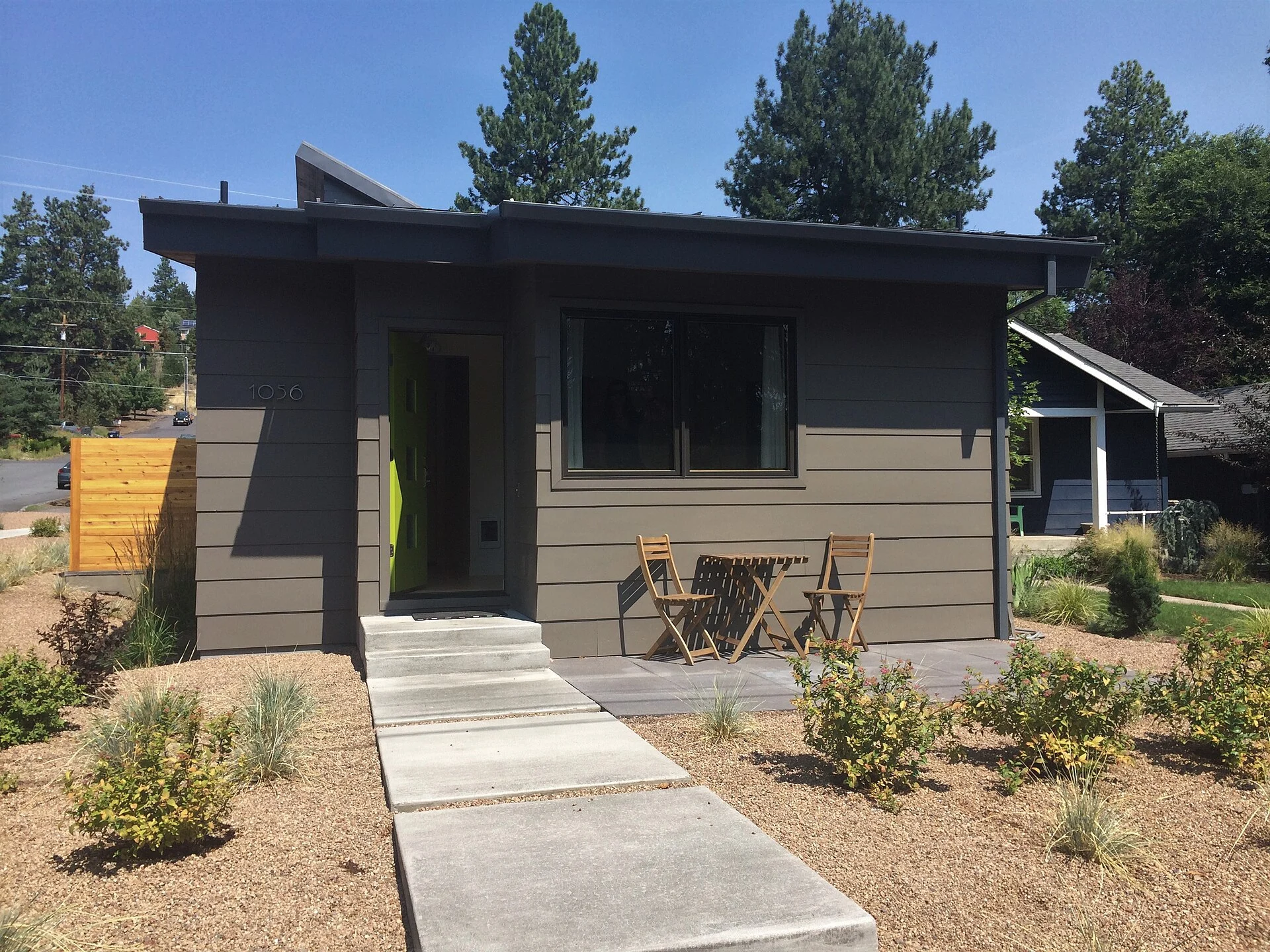
Accessory dwelling units have moved from a niche feature to one of the most common things on a Los Angeles lot. That changes the job of selling a house with an ADU in Los Angeles. Buyers, appraisers and lenders all ask the same question first: is the unit legal, and can anyone prove it? This guide walks listing agents through the records to pull, the lender rules that shape pricing, and the city's newer path for older unpermitted units.
Why more LA listings now include an ADU
An analysis published Nov. 8 by LA Civics found that between May 7 and Oct. 31, 2026, the Los Angeles Department of Building and Safety (LADBS) issued 2,171 permits for brand-new buildings, and 909 of them, about 42%, were for ADUs. That was more than the 771 permits for single-family houses. Counting garage conversions and additions as well, the same analysis tallied 2,505 ADU permits in that window, about 14 a day, and 875 of them mentioned a garage.
The units are clustered. About half of the ADU permits in the analysis were in the San Fernando Valley and nearby areas. The busiest ZIP codes were in Reseda (100 permits), Pacific Palisades (90, nearly all marked as fire rebuilds), Granada Hills (88), Pacoima (74) and Winnetka (66), with Sun Valley, Sylmar and Mar Vista close behind. LA Civics built these counts from the city's own permit labels, so treat them as a careful read of city data rather than an official city report.
Countywide, the trend is older and larger. Realtor.com reported in August that USC's Lusk Center counted a record 10,230 ADUs completed in Los Angeles County in 2025, up from 1,623 in 2018. That was about 37.5% of all newly certified housing units in the county.
Those units are now reaching the rental market. In its third-quarter 2026 Los Angeles rental report, Realtor.com said the county's median asking rent fell 3.6% from a year earlier to $2,554, while rent for units with up to two bedrooms fell 3.8% to $2,239. The report said the wave of new ADUs, which typically take 6 to 18 months to go from permit to occupancy, may partly explain why smaller units are falling faster. For sellers, that is a reason to estimate ADU income from current comparable rents, not from what similar units fetched a few years ago.
Start with the permit file, not the photos
Before writing any marketing copy, pull the property's building records. The city's Property Records page explains that LADBS keeps building permits back to 1905 and certificates of occupancy back to 1940. Its newer PRISM search lets anyone look up scanned permits, plans and certificates by address or parcel number.
What you are looking for is simple: a permit for the ADU or garage conversion, and a final sign-off or certificate of occupancy. If both exist, you can describe the unit as a permitted ADU with confidence and include the records in the disclosure package. If you find a permit that never received final approval, raise it with the seller early, because a buyer's own records search during escrow can turn up the same gap.
The same LADBS page describes the 9A report as a disclosure document the seller must provide under City of Los Angeles rules for real estate transactions. Order it early and compare it with how the listing describes the property. A listing that promises two homes on one lot when the city record supports only one invites hard questions late in the deal.
Match the listing to what a lender will count
How the unit is described should match how lenders define it. Fannie Mae's property eligibility rules treat an ADU as a smaller unit on the same parcel as a one-unit home, with its own entrance, kitchen, sleeping area and bathroom. Under that definition only one ADU is allowed on the parcel, and a space that can only be reached through the main house does not count. The kitchen needs at least cabinets, a countertop, a sink with running water and a stove or stove hookup.
The bigger change is income. In Selling Guide announcement SEL-2025-08, Fannie Mae said rent from one ADU on a one-unit principal residence can count toward a buyer's qualifying income on a purchase or limited cash-out refinance, capped at 30% of the borrower's total qualifying income. Pennymac told its correspondent lenders that the change took effect in Fannie's Desktop Underwriter system the weekend of March 21, 2026. Fannie's general rental income rules still apply, including limits for borrowers with less than 12 months of property management experience.
For a listing agent, that means a signed lease, a rent history and a realistic market rent can widen the pool of buyers for a permitted unit. Put those documents in the disclosure package and let each buyer's lender decide how much of the rent their borrower can use. Avoid promising that ADU rent will help any particular buyer qualify.
If the unit was never permitted
Many older garage apartments and backyard units in Los Angeles were built without permits. State law now gives owners a way to fix that. Assembly Bill 2533 bars local agencies from denying a permit for an unpermitted ADU or junior ADU built before Jan. 1, 2020, because it falls short of building standards or local ADU rules, unless correcting a problem is needed to meet the state's substandard housing standards.
LADBS spelled out its process in Information Bulletin P/BC 2026-161, effective July 15, 2026 and revised Aug. 5. Owners may start with a confidential inspection by a licensed contractor using the city's substandard checklist, and those results do not have to be shared with the city. To prove a unit predates 2020, the city accepts records such as a rent registration certificate, contractor bills, utility bills, a signed lease, or real estate documents including an old appraisal or MLS listing. Old listing records can help here, so ask the seller what paperwork they kept.
The streamlined path has limits. The bulletin excludes units with basements, buildings over one story, steep slopes, sites in fault, landslide or liquefaction zones, and a few other conditions. Impact fees are generally waived, but LAUSD school fees apply to units over 500 square feet, and a plan check fee is due when the application is submitted. The city also needs clearances, such as sewer and address sign-offs, before it issues a certificate of occupancy.
Outside the city of Los Angeles, the process is different. In unincorporated areas such as Altadena, LA County Public Works has its own AB 2533 handout built on a county substandard housing checklist. Confirm which agency covers the parcel before advising a seller.
Timing is the main listing decision. Legalizing a unit takes plan check, clearances and inspections, and the city bulletin does not promise a timeline. A seller planning to list in spring 2027 can start now. A seller who needs to list this month may do better by disclosing the unit's status plainly, pricing for it, and sharing what the legalization path would involve. Either way, do not describe an unpermitted unit as a legal rental.
Rentals, tenants and parking
If the ADU or the main house is occupied, the tenant situation is part of what you are selling. Collect leases, deposit records and any rent registration, and have the seller check with their attorney on how local renter protections apply before you promise a vacant unit at closing.
Small apartment listings need extra care. The Los Angeles Times reported on Nov. 3 that landlords are converting parking spaces and garages into ADUs, and that some tenants say losing parking violates their leases. A CRE Daily summary of that reporting said a judge paused a Hollywood project that would turn 20 parking spaces into nine units, and that no court has yet ruled on whether state ADU law overrides parking rights in existing leases. If you market a building's ADU potential, check whether the parking you are pointing to is part of current leases, and keep the wording cautious.
A pre-listing checklist for ADU homes
- Pull permits and certificates of occupancy from LADBS, or from the county for unincorporated areas.
- Order the 9A report early and compare it with your listing description.
- Confirm the unit has its own entrance, kitchen and bathroom before calling it an ADU.
- Gather the lease, rent history and current comparable rents for the unit.
- For unpermitted units built before 2020, collect proof of the construction date and walk the seller through the AB 2533 path.
- For rentals and small apartment buildings, review leases for parking and tenant rights before marketing any conversion.
- Describe the space exactly as the records support it, and let lenders and the buyer's advisors confirm the rest.
With roughly 14 new ADU permits a day in the city by LA Civics' count, more buyers will be comparing homes with backyard units this winter. The listings that hold up best are likely to be the ones that answer the permit question on day one.